VIP
VIP


Swimming is one of the most popular activities—it cools you off and keeps you in shape all at once. Inflatable swim rings even let non-swimmers experience the refreshing fun of being in the water. But here’s a critical question: is that swim ring around your waist actually protecting you? What should you do to save yourself or help others if a drowning emergency happens?
Important Reminder: Swim Rings Are NOT the Same as Life Buoys
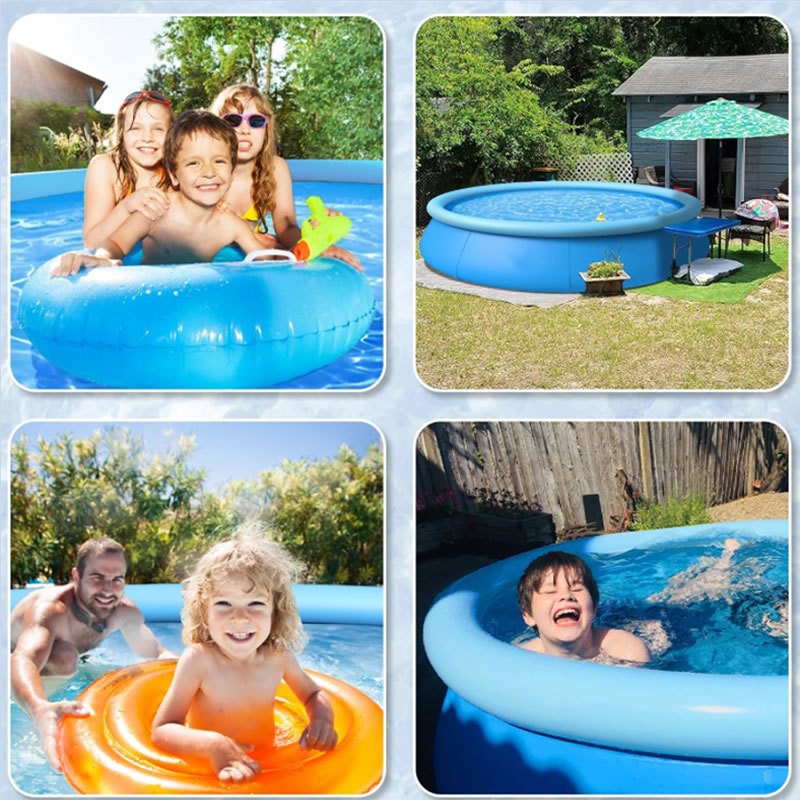
Industry professionals clarify that many people mix up swim rings and life buoys, but they are two totally different products. A swim ring is just a water toy; it only acts as a casual accessory for recreational water play and is not safe for deep pool sections, rivers, or open ocean waters. Compared to real life buoys, swim rings are too light to throw accurately, have weak pressure resistance and tear or leak easily, and their plastic surfaces get slippery when wet, making them nearly impossible to grip firmly.
A life buoy is an official marine lifesaving device with strict manufacturing requirements and complex production processes. Its inner core is made of closed-cell polystyrene foam, wrapped in fiberglass cloth, coated with three layers of phenolic resin, then covered with canvas and multiple layers of protective paint. Life buoys are also required to have fluorescent reflective strips to make rescue operations easier.
Shopping Guide: Thicker Swim Rings Are Safer
First, always check that the swim ring has a clear manufacturer name, address, and production date—never buy unlabeled "no-name" products.
Run your hand over the ring to check its thickness and make sure the seams are smooth with no rough edges.
Opt for swim rings made of thicker material, and avoid any that have a strong chemical or plastic odor.
Choose brightly colored swim rings that stand out sharply against the water for better visibility.
Don’t over-inflate inflatable swim rings—leave space for air to circulate, and only inflate them to about 80% capacity.
Swim rings have a safe service life: normally 2 to 3 years. An expired swim ring is like an old car past its retirement age—even if it has no visible damage, it’s no longer safe to use.
Standard inflatable swim rings are suitable for kids aged 5 and up, while sit-style baby swim rings work best for children between 2 and 4 years old.